

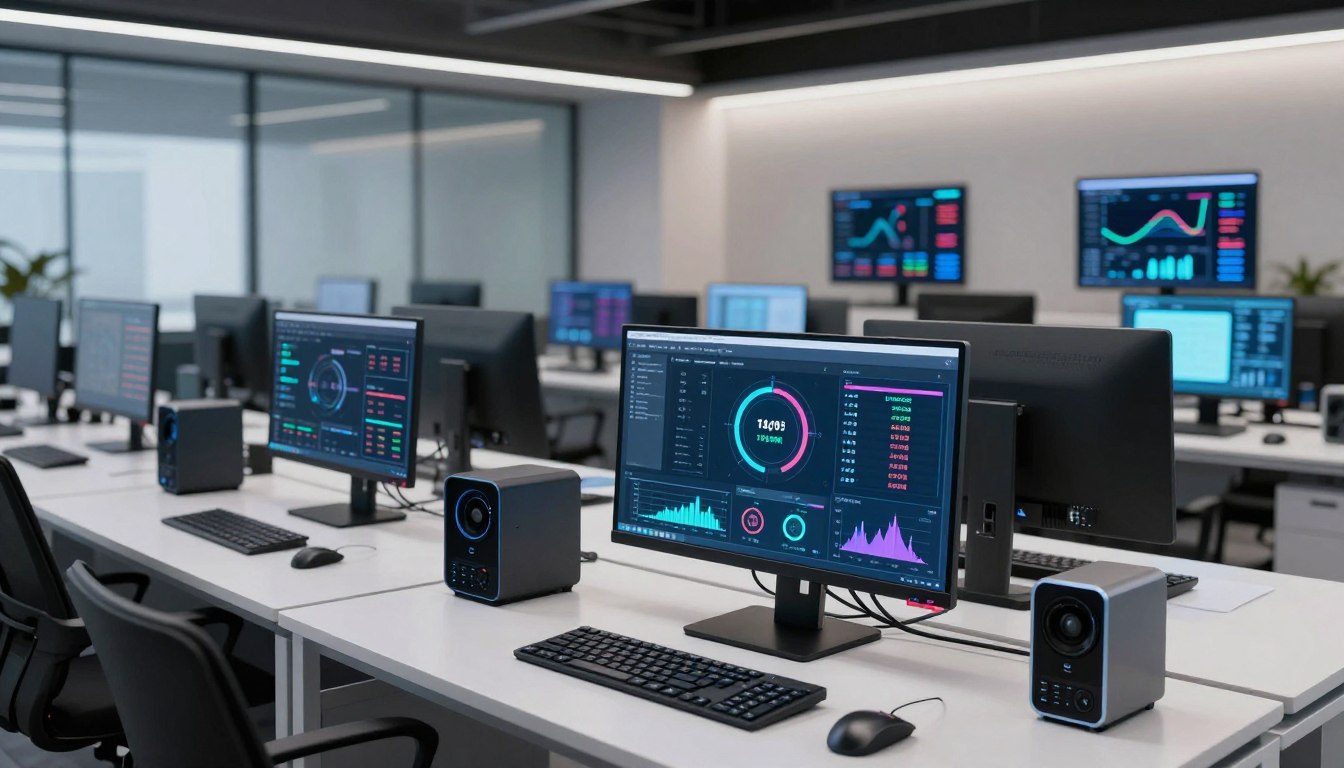
Have you ever wondered whether a platform can deliver private, high-quality adult images and videos without long waits?
ClothOff’s recent update, dated March 9, 2026, tightened processing standards and changed how queue times and throughput affect your workflow. You rely on quick generation to test ideas, and this platform aims to reduce delays while keeping your content and privacy protected.
When you submit text prompts, the tool balances server load with consent checks and privacy rules. That affects how fast results appear and how many iterations you can run in a session.
Understanding queue behavior helps you plan projects, set expectations, and choose times when the platform yields the best performance. You’ll learn what impacts throughput and how to manage generation for smoother results.
Key Takeaways
- ClothOff updated processing standards on March 9, 2026, to improve throughput.
- Queue times vary with server load and complexity of requests.
- The platform enforces consent and privacy during content and image generation.
- Faster iterations let you refine images and videos without long delays.
- Knowing peak times helps you schedule work for better results.
Understanding AI Nude Generator Speed and Performance
To evaluate platform responsiveness, start by measuring how long a single request takes to finish. That baseline helps you plan sessions and manage expectations when creating adult imagery or companion visuals.
Defining Processing Latency
Latency is the interval from when you send a prompt to when a final image or video file appears. It covers model rendering, consent checks, and post-processing.
The Impact of Queue Times
If many users submit requests, queue times grow and delivery slows. High traffic affects creation cadence, especially for complex style or body parameters.
Platforms like Candy.ai use advanced models and polished UI to keep results consistent. That helps with character creation and realistic imagery during generation.
Choose simpler prompts and lower resolution when you need faster iteration. Save detailed work for off-peak times to balance quality and throughput.
- Short prompts: faster render.
- Complex style: higher processing time.
- Peak traffic: longer queue.
| Factor | Typical Delay | Effect on Quality |
|---|---|---|
| Prompt complexity | Low to High | Higher detail |
| Model type | Medium | More realistic characters |
| Server load | Low to Very High | Consistent output drops |
Benchmarking ClothOff AI Against Industry Competitors
Real-world trials help you see how ClothOff performs versus other popular image tools.
ClothOff is known for quick, simple results in the undress app category. Many people choose it when they need fast adult-style reveal effects and straightforward controls.
You should compare generation capabilities to platforms like OurDream.ai to judge trade-offs. Some platforms offer deeper customization but take longer per image.
High-volume content is where ClothOff often stands out. It handles many simultaneous users better than services that focus only on realism.
- Test several platforms to find the balance between throughput and quality.
- Try short, repeated runs to measure average output per hour.
- Evaluate how well each tool maintains results when traffic rises.
| Metric | ClothOff | Complex Platforms |
|---|---|---|
| Throughput | High | Medium |
| Customization | Basic | Advanced |
| Consistency under load | Good | Variable |
By testing across tools, you’ll understand which platform matches your needs for images, video, and character art.
Factors Influencing Your Image Generation Speed
Several technical and creative choices determine how quickly your final image appears. These choices affect how long the model needs to interpret text prompts and produce usable outputs.
Prompt Complexity
The detail in your text prompts directly affects processing time. Short, focused prompts render faster.
When you include multiple styles, body and lighting cues, the model spends extra cycles to match your vision. Using images text prompts together helps the system understand intent and often yields more accurate results.
Resolution Settings
Higher resolution requires more compute. If you need a quick proof, choose lower resolution and save the high-res photo for a final pass.
Models like Imagen 4 and Seedream 4 give better natural skin tones and lighting at higher settings, but they also take longer to finish.

Server Traffic
Platform load matters. When many users request generation, queues lengthen and output times grow.
Platforms such as BasedLabs balance resources for all users. To reduce wait, work off-peak or batch similar jobs. That balances your need for quality and timely results.
Optimizing Your Workflow for Faster Results
Smart project setup and editor refinement let you turn text prompts into final results quicker.
Start by picking the right tool for batch work. Hunyuan Image 3.0 offers flexible styling and fast in-editor tweaks that cut down extra passes.
Use presets for character and body settings. Presets make consistent image and photo creation repeatable for many people.
When your platform supports both image video outputs, you simplify production of adult-themed videos and photos. That reduces file juggling and saves time.
Write clear, focused text prompts to lower iterations. Good prompts reduce rework and speed generation of usable content.
- Batch similar jobs to keep the queue steady.
- Use editor features to refine instead of regenerating.
- Save final tweaks for the last pass to maximize throughput.
Many users and professional creators manage large batches this way. The result is less waiting and more time spent on creation.
Balancing Processing Power with Output Quality
High-fidelity imagery often needs more compute, so you must weigh rendering demands against delivery times.
Realism vs. Speed Trade-offs
Realism costs compute. When you push a model to add fine body and style details, it uses more cycles to match lighting, texture, and skin tones. That raises wait times for final outputs.
You can control this trade-off. Lower the resolution and simplify styles for fast drafts. Reserve high-resolution passes for final creation when quality matters most.
- Pick a lighter model for quick results and a heavier model for realism.
- Tweak resolution and lighting to balance look and turnaround.
- Use parameter control to limit iterations and speed up generation.
| Factor | Effect | When to use |
|---|---|---|
| Model complexity | Higher realism, longer render | Final art and video |
| Resolution | Sharper outputs, more compute | Print or close-ups |
| Lighting details | Better depth, extra time | High realism scenes |
Understanding these trade-offs helps you pick the right tools and platforms for adult imagery and other image creation. That way you get better results without unnecessary delays.
Privacy and Security Considerations During Generation
Keep privacy front and center when you prepare any adult-themed image or sensitive content for generation.
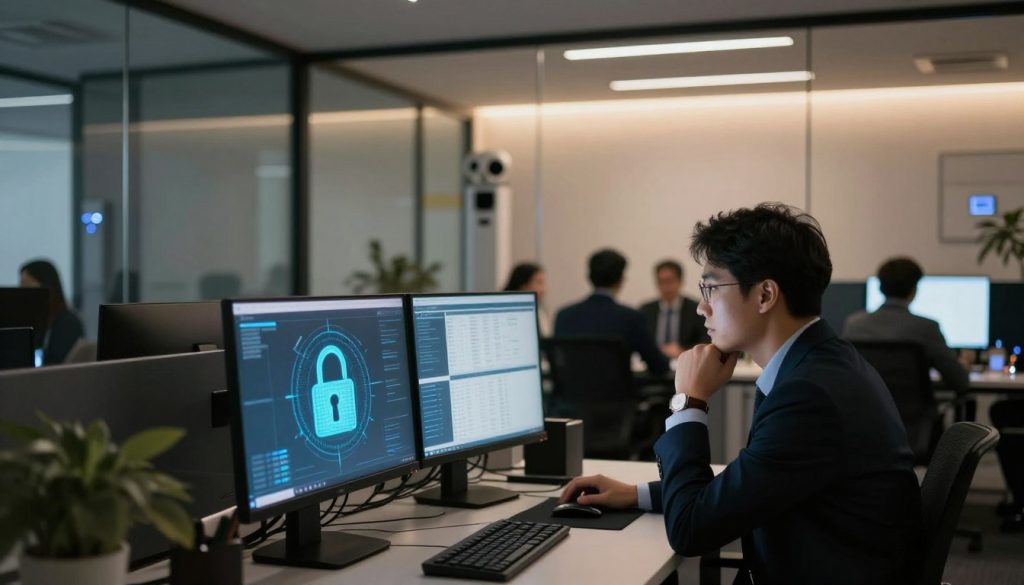
BasedLabs enforces strict safety measures that block illegal material while keeping your projects private and secure. Verify that the platform you use has clear storage policies and strong access controls before you upload any files.
Consent is non-negotiable. Only create images of people who have explicitly agreed. Confirm how the platform logs consent and whether it keeps records tied to your project.
- Check encryption for file uploads and at-rest storage.
- Review user access settings so your private content stays contained.
- Confirm content policies to avoid blocked or illegal output.
| Privacy Feature | What to Check | Why It Matters |
|---|---|---|
| Encryption | Upload and storage encryption enabled | Protects images and project files from leaks |
| Access Controls | Project-level permissions and audit logs | Keeps collaborators limited and accountable |
| Consent Records | Clear consent workflow and retention policy | Reduces legal risk and respects subjects |
| Policy Transparency | Readable terms on data use and deletion | Shows how your content and images are handled |
Final tip: review privacy settings and support docs on any platform before starting sensitive work. Protecting identities and respecting consent keeps your projects safe and legal.
Comparing Model Capabilities and Rendering Times
Different models prioritize realism, animation, or throughput, and that choice shapes how long you wait for final images.
OurDream.ai supports advanced character animation and storytelling. That capability means longer render passes than simple photo generation. When you create content that needs motion or narrative frames, expect more compute and more time.
Rendering time also depends on how well a model handles body, lighting, and style parameters. Complex settings raise processing demands and lengthen the queue. If you need many images or videos, plan batches around longer renders.
Use platforms and tools that offer multiple models. Pick lighter models for drafts and heavier models for final art. Keep consent and privacy checks part of your workflow when testing model capabilities for adult-themed imagery.
- Choose simpler text prompts for fast proofs.
- Reserve high resolution and deep realism for final output.
- Measure per-model render time before large runs.
| Model Type | Typical Render Time | Best Use |
|---|---|---|
| Light photo model | Short (seconds to a minute) | Quick image proofs and batches |
| High-fidelity realism | Medium to long (minutes) | Final photos and close-up art |
| Animation & storytelling | Long (many minutes to hours) | Video, character motion, narrative scenes |
The Role of Hardware and Server Load in Generation
Platform infrastructure and concurrent demand set practical limits on how quickly images and videos are produced.
The hardware behind a platform matters. High-performance GPUs, fast storage, and optimized networking cut down processing time for complex character and body details. That helps when you need quick drafts or higher-fidelity art.
When many users are active, server load rises. That can slow your image generation and video creation even on strong hardware. Knowing peak times helps you schedule jobs during off-peak hours.
Secure server management preserves privacy and consent while handling private photo and video projects.
Choose a tool or platform that invests in scalable systems and efficient models. This balance of compute power, server capacity, and request complexity defines overall generator performance for content creation.
- Prefer platforms with clear server scaling and mature tools.
- Batch heavy jobs off-peak to reduce wait.
- Verify privacy and consent workflows before uploading sensitive imagery.
| Factor | Impact | Action |
|---|---|---|
| Hardware (GPU/CPU) | Reduces render time for complex images | Pick platforms with modern compute |
| Concurrent users | Increases queue and delays | Schedule off-peak or batch jobs |
| Model complexity | Higher realism needs more compute | Use lighter models for proofs |
| Server security | Protects privacy and consent records | Confirm encryption and access controls |
Conclusion
Key takeaway, balance creative goals with practical limits: pick models and times that fit your schedule and privacy rules. Choose platforms that give clear consent flows and strong controls when you work on adult or nude content. That keeps projects safe and legal.
Plan your runs to reduce rework. Understand how prompt detail, resolution, and server load affect generation so you can get better results with fewer iterations. Use lighter character settings for drafts and deeper character detail for final passes.
Stay responsible, test tools before big batches, and keep respect for subjects central to your process. The industry changes fast; clear prompts, quality models, and consent will guide better work.
FAQ
What is the typical queue time when using ClothOff AI?
Queue times vary by demand and server load. During off-peak hours you may see minimal wait, often under a minute. Peak periods can push queues to several minutes. You can reduce waits by scheduling requests during lower-traffic windows or using lower-resolution settings.
How is processing latency defined for image creation on ClothOff AI?
Processing latency is the time between submitting a prompt and receiving the final image. It includes queue wait, model inference, and post-processing. Latency depends on model size, chosen resolution, and any extra steps like style transfers or artifact removal.
How do queue times affect overall turnaround?
Queue times directly add to total turnaround. If the platform is busy, your request sits before it reaches compute resources. High-priority or batch options, when offered, can reduce this delay at an extra cost.
How does ClothOff AI compare to other platforms in rendering times?
Benchmarks vary, but ClothOff AI is competitive with mid- to high-tier services in terms of throughput and latency. Competitors with larger GPU farms may be faster under heavy load, while ClothOff often balances speed with consistent visual quality.
Which prompt elements increase generation time?
Complex prompts that request multiple styles, extensive scene detail, or conditional edits increase compute effort. Requests for multiple outputs, high variability, or iterative revisions also lengthen processing.
How do resolution settings influence speed?
Higher resolutions demand more memory and compute, which raises inference time. Choosing moderate resolution or using progressive upscaling options speeds results while preserving perceived quality.
How much does server traffic slow down generation?
Server traffic creates contention for compute resources, increasing both queue and processing times. Peak traffic can multiply latency; using off-peak slots or paid priority reduces this effect.
What workflow tips help you get faster results?
Simplify prompts, pick lower default resolutions for drafts, batch similar requests, and use priority queues if available. Prepare reference images and clear style notes to avoid multiple iterations.
How do you balance realism and speed in outputs?
More realism requires deeper models and more render passes, which slow processing. For faster output, accept modest realism, apply targeted post-processing, or generate a lower-detail draft then upscale selectively.
Are there privacy or security concerns while generating images?
Yes. Uploaded images and prompts can contain sensitive data. Use platforms that offer end-to-end encryption, data retention controls, and clear consent policies. Review terms to understand how imagery and prompts are stored or used.
How do different models affect rendering times?
Larger, newer models usually deliver higher fidelity but take longer per image. Lightweight models render faster at the expense of fine detail. Choose models based on your quality needs and time constraints.
What role does hardware and server load play in generation speed?
GPU type, memory, and server architecture determine raw throughput. More powerful GPUs and optimized clusters reduce latency. Conversely, overloaded or underpowered servers increase both queue and processing times.