

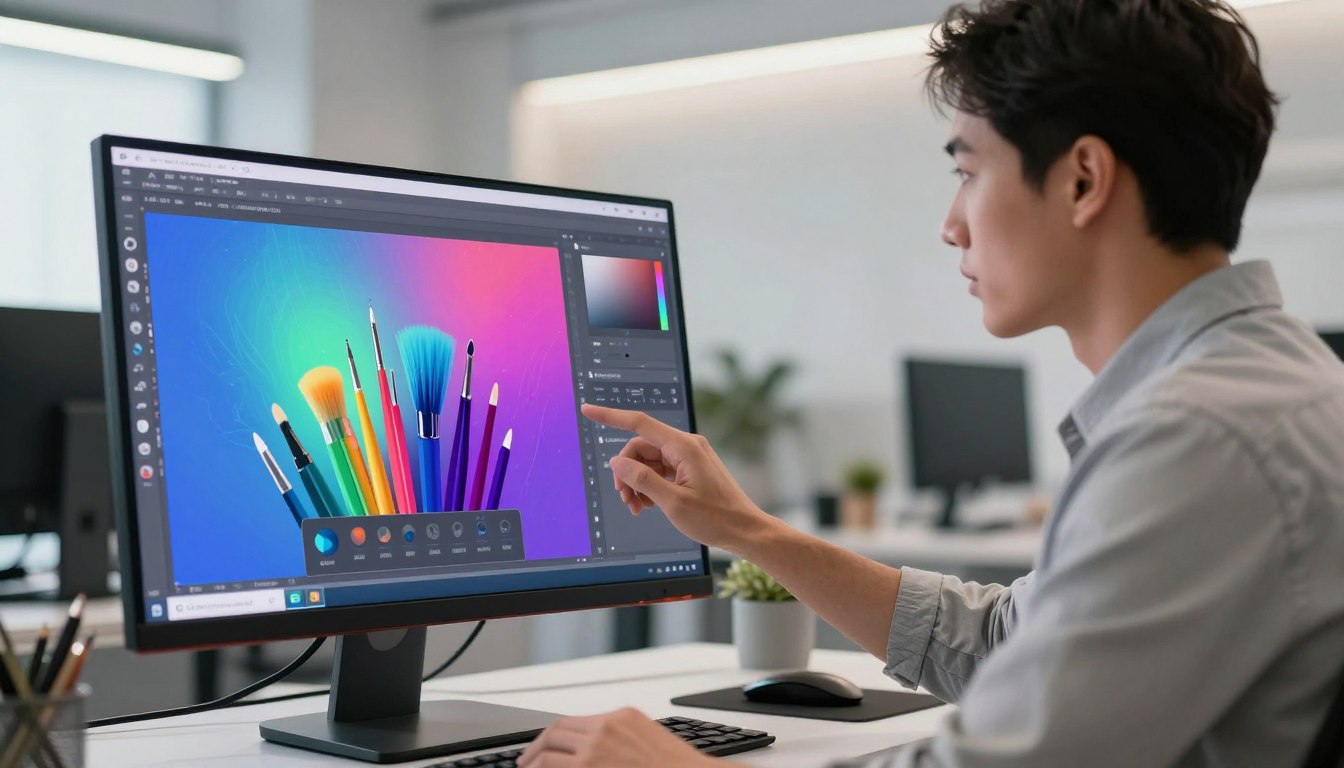
Can a single platform truly balance powerful image tools with real privacy and consent? You’ll find that question at the heart of this guide as you explore the ClothOff interface. The platform evolved quickly by March 12, 2026, and it changed how users approach synthetic media and digital art.
Start with the brush and modes, then move to seeds and processing options. Each feature aims to improve quality and streamline creative workflows. You can create photo and video content while keeping control of settings that matter.
Complex algorithms power the system, and those algorithms shape results across media types. Still, privacy and consent remain key questions you must consider when using a nude generator or similar tools. This section sets the stage so you can test features with clear expectations and safer practices.
Key Takeaways
- The interface puts image and media tools front and center for creative control.
- Quality and processing choices help you refine photo and video output.
- Users should weigh privacy and consent before sharing sensitive content.
- Advanced algorithms and features enable new forms of digital art.
- Explore seeds and modes to unlock personalized creativity on the platform.
Understanding the ClothOff AI Interface
ClothOff’s design centers on quick access and predictable workflows for both new and power users. The main view groups tools, presets, and recent projects so you can focus on creating. This setup reduces friction and helps you learn faster.
Dashboard Layout
The dashboard emphasizes accessibility by arranging core controls in a logical order. Menus for brush tools, modes, and seeds sit near the canvas for fast changes.
Features such as history, undo, and quick presets are visible without digging through nested settings. That makes trial-and-error safe and efficient.
Navigation Basics
Navigation is straightforward. You can find saved projects, export options, and account settings from the left rail.
The underlying technology used by Candy.ai supports smooth transitions and stable chat sessions when you test conversational flows. This platform is built to handle varied user interactions and keeps your workflow moving.
- Find tools in predictable zones to speed edits.
- Use the search bar to locate projects or presets fast.
- Tap the help icon for quick tips and short guides.
Getting Started with Your AI Nude Generator Tutorial
Create an account on BasedLabs to begin. Registering is straightforward and gets you access to the platform within minutes.
Once you have an account, enter a short text prompt or upload a photo. The system is built to produce high-quality content in just a few seconds.
- Sign up on BasedLabs and verify your profile.
- Choose a mode and provide a concise prompt or image.
- Preview the render, then refine to match your imagination.
This professional maker of synthetic media gives you an intuitive workflow. As a powerful tool, it helps you turn fantasy and imagination into visual art. Follow each step and explore settings to shape results that match your creative vision.
Mastering Brush Tools for Precision Editing
Fine-tuned brush controls let you reshape tiny areas of an image with surgical accuracy. These controls give you fast access to size, hardness, and flow so edits feel natural.
Refining Image Details
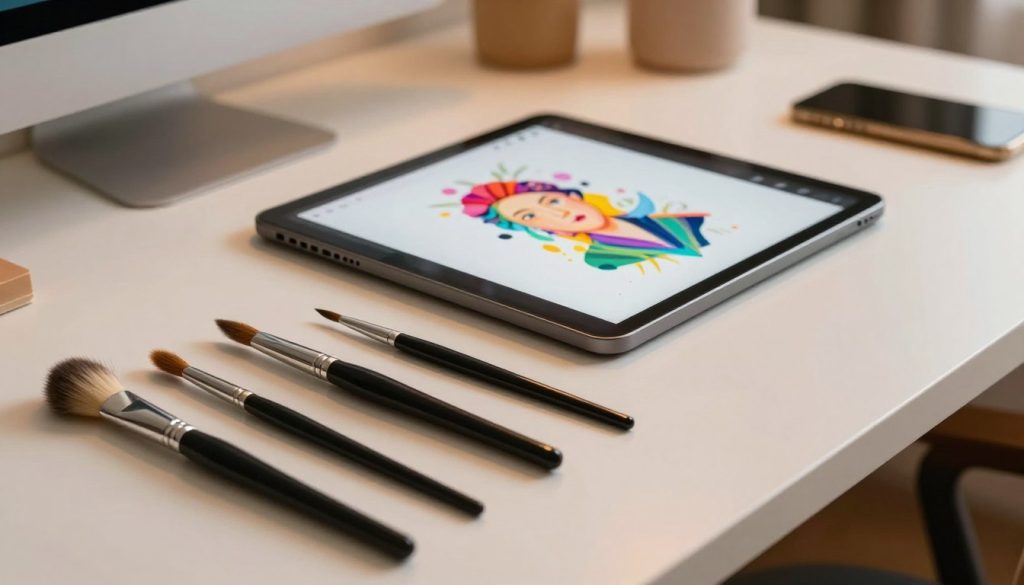
Start by selecting a small brush and work in short strokes. This helps preserve texture and avoids over-processing the photo.
Imagen 4 and Seedream 4 models were built to improve skin tones and lighting. When you pair those models with precise brushes, the results look more realistic.
- Use the brush to tighten edges and correct small pose issues so a photo matches your vision.
- Adjust style and type settings to explore a broad range of creative styles without losing detail.
- Enter a clear text prompt to guide the brush toward the most important areas of an image.
Step through edits one change at a time. Save versions so you can compare styles and maintain consistent quality across projects.
Selecting the Right Generation Modes
Choose a generation mode that matches the mood you want before you refine details.
Modes guide output by setting color, texture, and detail levels. Pick realistic settings for photo-grade results or switch to stylized modes for bold art.
Exploring Realistic Styles
Realistic modes emphasize natural lighting, skin tones, and subtle grain. Hunyuan Image 3.0 is a flexible model that helps lift micro-details while keeping faces and poses believable.
Anime and Fantasy Options
Fantasy and anime modes warp proportions, color, and line work to fit genre expectations. These modes make it easy to create stylized characters or dramatic scenes.
| Mode | Best for | Key feature |
|---|---|---|
| Realistic | Photo, image video | Natural lighting & texture |
| Hunyuan Image 3.0 | Advanced styling | Fine-detail control |
| Fantasy/Anime | Stylized art & characters | Bold color and line work |
As a next step, test modes on a small photo and compare results. This helps you choose the best tool and settings for your final piece.
Utilizing Seeds for Consistent Results
Think of seeds as a fingerprint for a style; reuse them to keep compositions consistent across projects. When you save a seed, the same structure and feel return in future images with minimal guesswork.
Saving a seed helps you reproduce exact lighting, framing, and texture settings. This is especially useful when you need matching photos for a series or campaign.
- Reproducibility: Use a saved seed to recreate a composition reliably.
- Portfolio consistency: Keep a unified look across digital art and client work.
- Efficient experimentation: Tweak elements while preserving core layout and style.
“By managing seeds, you cut trial-and-error time and gain control over final output.”
Save and label seeds so you can return to successful setups. With good seed management, your images stay consistent and your creative results become predictable and repeatable.
Crafting Effective Prompts for High-Quality Images
A well-written prompt turns vague ideas into consistent, high-quality images.
Use clear, descriptive language to tell the system what you want. Name the lighting type, camera angle, and mood in short phrases. This helps the image engine pick the right styles and models.
Descriptive Language Techniques
Be specific. Instead of “woman in a park,” write “three-quarter portrait, golden hour, soft rim light, shallow depth of field.” Short tags like these guide quality and reduce guesswork.
Adjusting Lighting and Angles
State the light source and angle. Try “backlit silhouette” or “45-degree studio key light.” Small notes about lens type or distance improve realism.
Incorporating Emotional Expressions
Describe the emotion and micro-expressions. Use words like “subtle smile,” “furrowed brow,” or “joyful gaze.” These cues make images feel alive and connect with viewers.
- Combine technical and creative terms to control image generation quality.
- Include poses and fantasy elements when you want stylized or narrative results.
- Use chat features to iterate — refine your prompt in short cycles.
“Clear prompts shorten revision cycles and raise the chance that final images match your imagination.”
| Prompt Element | Example Text | Effect on Image |
|---|---|---|
| Lighting | golden hour, soft backlight | warmer tones, soft shadows |
| Angle | eye-level, 3/4 view | natural perspective, believable pose |
| Emotion | wistful smile, distant gaze | adds narrative and realism |
| Style | photoreal, cinematic grain | controls texture and finish |
Managing Privacy and Consent Settings
Privacy and consent controls let you decide who sees your sensitive work and when. The platform enforces strict 18+ age checks and safety measures so all adult content stays within allowed bounds.
You keep full control over source handling and export visibility. Set your defaults to private, and review share permissions before you export any media.
The system uses advanced algorithms for processing while protecting your data from unauthorized access. That technology separates processing from public storage by default.
- Set exports to private and disable public links when you work with sensitive media.
- Enable age verification and confirm consent before you process adult-themed content.
- Review access logs so you can see who viewed or downloaded project files.
“Treat consent settings as the first step in any project that involves intimate or adult-themed material.”
| Setting | Why it matters | Recommended action |
|---|---|---|
| Export visibility | Controls who can download or share content | Set to private; enable link expiration |
| Age verification | Ensures compliance with 18+ rules | Enable mandatory checks for relevant projects |
| Access logs | Tracks viewing and download history | Review weekly; revoke unexpected access |
Answering common questions about data safety helps you and other users trust the platform. Regularly review settings and adjust them as your project needs change.
Troubleshooting Common Platform Issues
Troubleshooting starts with the basics: check your account settings, confirm a clear prompt, and verify your connection.
Resolving Generation Errors
Clear prompts and simple text often fix generation errors. Shorten complex prompts, remove conflicting style tags, and try again.
If a render times out in a few seconds, clear your browser cache and retry. A stable connection keeps processing steady and improves results.
Switch models or adjust tools if an image looks off. Some models handle photo-grade detail better, while others suit stylized art.
If you face technical questions, contact support. They can check account access, logs, and algorithms that flag certain prompts or styles.
- Quick step: verify account, simplify prompt, then test another model.
- When quality drops: change settings, alter poses, or reduce post-processing.
- Privacy note: review export and share settings before you publish sensitive images or video.
“Follow a short checklist to isolate issues and restore accessibility of your tools.”
Conclusion
Wrap up your workflow by focusing on control, consistency, and respectful sharing.
Keep practicing brush precision and save seeds so your edits stay repeatable. This helps you turn a simple idea into polished art and matching series of photos.
Use modes and clear prompts to push your creativity and expand your imagination. Combine tools to find a signature style that feels professional.
Finally, make consent and privacy checks part of every export. When you treat sharing as intentional, your work stays ethical and secure.
Takeaway: master the interface, protect consent, and let your creative process grow into consistent, high-quality results with this art generator.
FAQ
What is the ClothOff AI interface and what core features should you expect?
The ClothOff AI interface is a web-based image creation platform focused on image editing and style generation. You’ll find a dashboard that groups tools by task, a brush panel for selective edits, mode presets for different output styles, and a seed control to recreate consistent results. Expect layers for undo history, resolution settings, and export options for common formats like PNG and JPEG.
How do you navigate the dashboard layout effectively?
The dashboard places main tools on the left, canvas in the center, and contextual controls on the right. Start by selecting a mode, then pick a brush or mask to isolate areas. Use the timeline or steps panel to preview changes and hit export when you’re satisfied. Keyboard shortcuts speed up common actions like zoom, undo, and brush size adjustments.
What are the basic navigation steps for first-time users?
Open a new project, upload a source image or choose a sample, then select a mode and brush. Use pan and zoom to focus on detail, and set a seed if you want repeatable results. Apply edits in small increments and use the preview to compare before exporting your final file.
How should you approach getting started with the platform’s creation workflow?
Begin with clear goals: decide on style and resolution. Load a reference photo, choose a generation mode that matches your intent, and select a brush for targeted edits. Test different seeds and presets on a low-resolution draft to save time before finalizing at full size.
What brush tools help refine image details?
Use soft brushes for blending skin tones and hard brushes for crisp edges. Eraser and mask tools help isolate changes. Pressure-sensitive tablet support gives natural strokes, and edge-aware brushes keep transitions smooth. Fine-tune opacity and flow for subtle improvements.
How do you refine small areas without affecting the whole image?
Work with masks and layer copies. Paint a precise mask around the target area, then apply adjustments only inside that mask. Use feathering to avoid hard borders and preview at 100% zoom to ensure artifacts are removed.
What generation modes should you select for realistic outputs?
Choose modes labeled “photorealistic,” “portrait,” or “studio” for lifelike results. These modes prioritize accurate lighting, skin texture, and natural poses. Combine them with high-resolution settings and realistic style presets for best quality.
When is it better to use anime or fantasy options?
Select anime or fantasy modes when you want stylized, illustrative, or surreal outcomes. These options emphasize exaggerated features, vibrant color palettes, and creative liberties with anatomy and background elements. They work well for concept art, fan art, and imaginative projects.
How do seeds affect the consistency of your outputs?
A seed is a numeric value that initializes the underlying random processes. Reusing the same seed with identical settings recreates similar images, which helps when you need multiple consistent variations. Change the seed to explore different compositions while keeping other parameters constant.
What makes an effective text prompt for higher-quality images?
Craft prompts that blend concise descriptive terms with clear stylistic cues. Include subject details, pose, clothing or lack thereof if relevant to artistic intent, lighting, camera angle, and the desired mood. Keep language specific and avoid vague adjectives to get predictable results.
How can you adjust prompts to improve lighting and angles?
Add camera terms like “three-quarter view,” “overhead shot,” or “soft rim lighting.” Specify the time of day, light source direction, and shadow hardness. Pair these with lens choices such as “50mm” or “wide-angle” to guide perspective and depth of field.
How do you include emotional expressions in your prompts?
Use clear emotional descriptors like “melancholic gaze,” “joyful smile,” or “pensive look.” Combine them with body language cues—tilted head, relaxed shoulders—to guide facial microexpressions and posture. Adding reference artists or photographic styles can further shape mood.
What privacy and consent settings should you manage before creating images?
Review account privacy options, data retention policies, and sharing defaults. Disable public galleries if you want private work, and opt out of dataset contribution if available. If you work with real people, secure written consent and retain documentation before publishing or sharing images.
What common platform issues might you encounter and how do you troubleshoot them?
Frequent problems include slow processing, failed renders, and export errors. Start by checking your internet connection and browser updates. Clear cache, try a lower resolution draft, and test with a different seed. If issues persist, consult the platform’s status page and contact support with logs and screenshots.
How do you resolve generation errors that stop or corrupt results?
Retry with a fresh session and simplified settings. Reduce batch size, lower resolution, and switch modes to isolate the cause. Export intermediate checkpoints so you can resume from a stable point. Provide error codes to support to speed up diagnosis.