

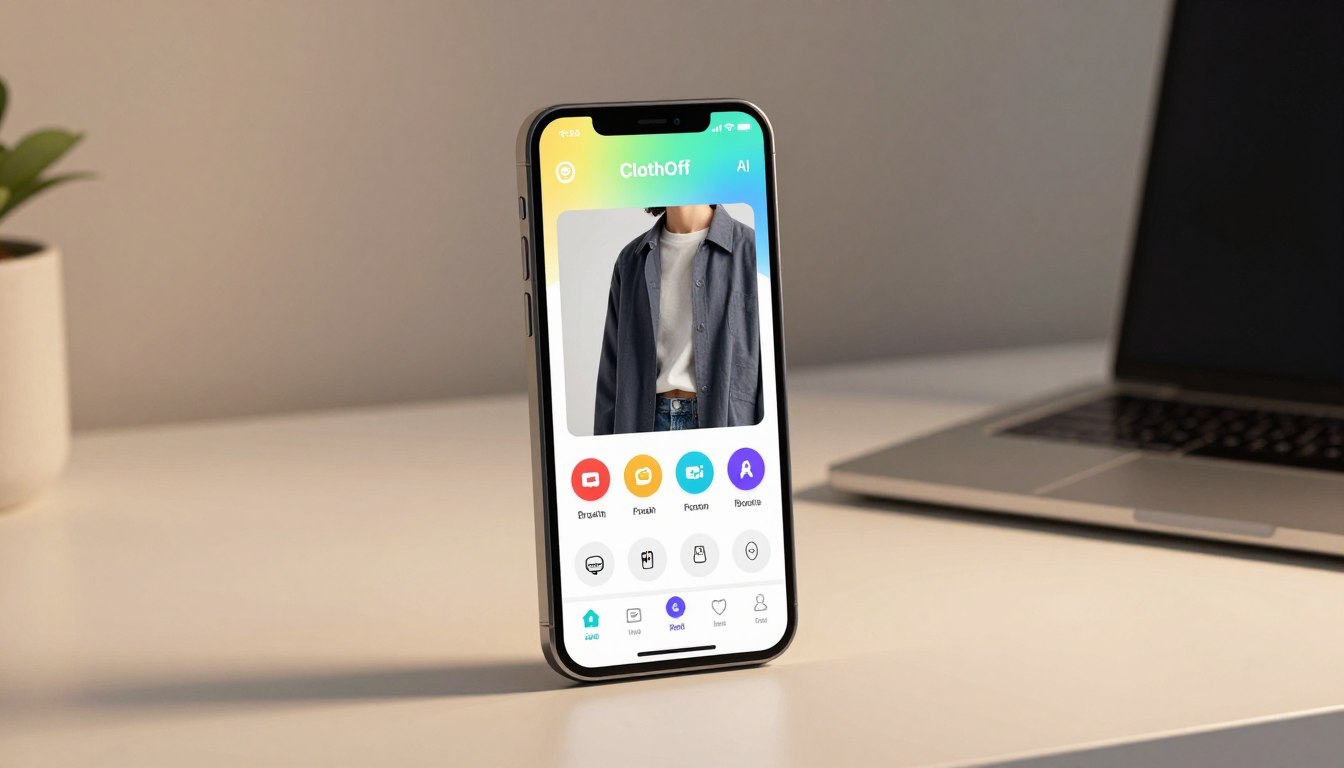
What if you could craft studio-grade images on your phone while keeping strict privacy and consent controls? That question drives the latest ClothOff release from BasedLabs, updated on March 9, 2026. You can now edit, brush, and export visuals with the same power found on desktop.
You will find a tool that handles complex prompts and varied styles. It supports multiple models and helps you refine results quickly.
Whether you are a pro or a hobbyist, the platform balances creativity and strict privacy standards. You control consent for every project and manage exports to save data.
Expect high quality image generation, easy prompt editing, and efficient workflows. In short, ClothOff on your phone brings flexible art features, strong privacy, and real production value to your fingertips.
Key Takeaways
- ClothOff’s update brings desktop-grade features to your phone for image creation.
- You can brush, export, and manage data with built-in privacy controls.
- The platform supports varied styles, models, and precise prompts.
- Results balance realism and creative expression for photos and art.
- BasedLabs prioritizes consent and secure handling of generated content.
Getting Started with Your AI Nude Generator Mobile Experience
Create an account to access high-quality image models and personalized style settings. This first step unlocks the core tools and lets you save preferences for future sessions.
Setting Up Your Account
Sign up with a verified email, then choose a profile name. Save your preferred models so you can skip setup next time.
- You can pick Imagen 4 or Seedream 4 to get natural skin textures and lighting.
- Save default styles to maintain a consistent look across images and photos.
- Tip: Store favorite prompts to speed up your workflow.
Navigating the Mobile Interface
The interface groups tools logically. You will find prompt fields, model selectors, and export controls on one screen.
“Fast access to models and styles makes experimentation simple for all users.”
Use the art generator controls to test different body types, poses, and lighting. Manage photos, export a photo file, or revisit past images with minimal effort.
Mastering the Brush and Editing Tools
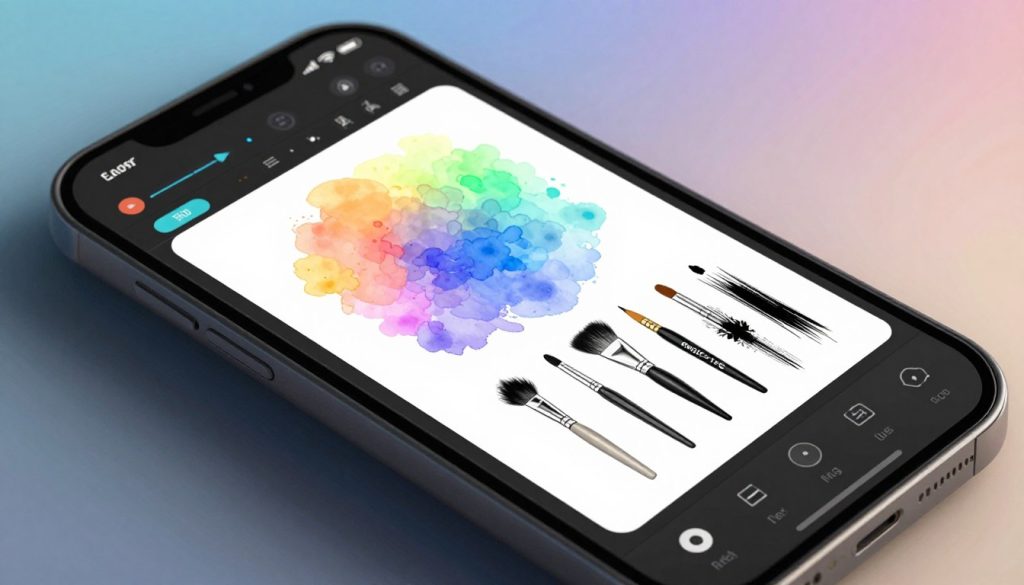
Learn to use the brush and mask controls to turn rough prompts into polished images. The interface is built so you can make precise edits in seconds. Small strokes can change texture, fix skin tones, or tweak lighting without restarting generation.
The Hunyuan Image 3.0 model is a strong choice for artists who need flexible styles and tight control. You can target specific areas, then refine those edits until the visuals match your creative vision.
Try this workflow:
- Mask the area you want to adjust.
- Apply brush edits for pose, light, or background swaps.
- Rerun the prompt to iterate and improve results.
The editing suite supports both photo and video projects. It lets you blend text prompts with manual touch-ups so the final content looks natural and professional.
“Masking and selective brushing let artists maintain high standards while saving time.”
Optimizing Image Export and Resolution Settings
Export choices define how your final image looks and where it can be used. Take a moment to set format and resolution before you save. This step preserves color, texture, and sharpness for both web and print.
Choosing the Right File Formats
Pick a format based on how you plan to edit or share the work. PNG keeps transparency and lossless detail. JPG saves space for fast sharing. Layered PSD is best if you want to continue editing in external tools.
- PNG: Use for crisp art and transparency.
- JPG: Use for compressed images where file size matters.
- PSD: Preserve layers when you plan further edits in Photoshop or similar tools.
Adjust resolution settings to match your output needs. For print, choose higher DPI and larger pixel dimensions. For web, use moderate resolution to save bandwidth while keeping good quality.
Tip: Save export presets so your preferred settings are ready for repeated projects. That keeps control over results and helps maintain consistent generation across different models and styles.
“Always verify resolution and format before final export to avoid rework.”
Strategies for Data Savings and Efficient Generation
Smart batching and selective syncs help you cut bandwidth without hurting image quality. Use grouped runs and timed uploads to limit transfers. This keeps costs down and keeps your workflow fast.
Managing Batch Processing
Group similar tasks. Run sets of image edits together instead of one at a time. That reduces repeated model loads and speeds up generation.
Telegram-based tools can help you queue jobs and return results in seconds. This is useful if you process many photos or short videos in one session.
Reducing Background Data Usage
Turn off auto-sync for large uploads. Only upload the final images or video files you need. That prevents hidden background transfers and preserves your subscription data limits.
Leveraging Cloud Storage
Keep drafts in encrypted cloud folders and export final content when ready. Cloud storage saves local space and lets you maintain privacy and consent controls across devices.
| Strategy | Benefit | When to Use |
|---|---|---|
| Batch processing | Lower data, faster runs | Many similar prompts or images |
| Selective sync | Reduced background transfer | Limited data plans |
| Cloud storage | Secure backups, shared access | Ongoing projects and team use |
“Review privacy and consent settings before exporting to keep results protected.”
Advanced Features for Creative Control
Advanced controls let you sculpt every pixel to match a clear creative intent. You can tweak lighting, pose, and background in real time to get faster, cleaner image generation that fits your vision.
The platform gives you a wide range of styles and models so you can explore new art directions. Adjust resolution and quality settings to balance file size and final output for both photos and video projects.
- Selective edits: mask and brush specific areas to refine texture and color.
- Style swaps: switch styles or models mid-run to test different looks quickly.
- Speed and batch: increase throughput with grouped runs while keeping consistent results.
- High-res exports: produce print-ready images and short videos with fine detail.
“Mastering these tools expands the range of creative possibilities and helps artists deliver professional visuals.”
Experiment with settings and iterate fast — that is the best way to unlock the full potential of your art generator and produce standout visuals for any project.
Maintaining Privacy and Consent Standards
Treat every project as sensitive media: secure consent, logs, and privacy settings first.
Always confirm permission before you process any photo of an individual. Expert Dmitrii Medvedko stresses that you must follow local law and obtain clear consent when working with images or photos of people.
The platform gives you robust tools to manage data and protect privacy. Use built-in access controls, encrypted storage, and audit logs to track who sees your media.
Your subscription includes features that keep projects private and secure from unauthorized access. Review the privacy policy so you understand how your images and generation data are handled.
“Respecting consent and privacy helps you avoid legal and ethical issues while using art tools.”
- Always get written consent before processing photos of real people.
- Limit sharing and export only final images when necessary.
- Use the platform settings to restrict access and keep project logs.
By prioritizing consent and privacy, you help create a safer creative space for all users and keep your work compliant with laws and best practices.
Conclusion
Bring your projects to completion with efficient batching and precise brush edits. This approach keeps your workflow fast and your results consistent.
Use presets and selective sync to cut data costs and speed up exports. Small, targeted edits save time and preserve quality.
Always secure consent and review privacy settings before you export or share any work. That protects subjects and keeps projects legal and ethical.
Start exploring these features today — with the right models and settings you can produce standout visuals on your mobile device while keeping control over data and permissions.
FAQ
How do you set up your ClothOff AI account on your phone?
First, download the official ClothOff app from Google Play or the App Store. Open the app, tap Sign Up, and provide your email and a strong password. Verify your address through the confirmation link, then complete your profile and accept the terms and privacy settings. Keep your login details secure and enable two-factor authentication for added protection.
How do you navigate the mobile interface to access brush and edit tools?
After signing in, the main screen shows your gallery and a Create button. Tap Create to import a photo, then use the toolbar at the bottom to select the Brush, Eraser, and other retouch tools. Icons are labeled for quick access. Pinch to zoom and use simple gestures to adjust brush size and strength.
What are the best practices for using the brush tool effectively?
Use short strokes and low brush strength when you start, then build up effects gradually. Zoom in for fine areas and switch between brush types for texture control. Save versions as you work so you can compare edits. Consistent lighting in your source image produces cleaner results.
Which export settings preserve image quality while minimizing file size?
Choose PNG for lossless detail or JPG at 85% quality for a balance between sharpness and smaller files. Use the app’s export presets for social sharing or high-resolution print. If you need to save data, select a lower resolution or the optimized web preset before export.
What file formats should you choose for different uses?
Select PNG when you need transparency or maximum detail. Use JPG for everyday sharing and email, since it compresses well. TIFF is best for professional printing if the app supports it. Pick based on whether you prioritize quality, transparency, or smaller files.
How can you reduce data use while generating images on your phone?
Work offline when possible and download any required models ahead of time. Lower generation resolution for drafts, then switch to high-res only for final export. Disable background sync for the app and set uploads to Wi‑Fi only to avoid cellular data drain.
What are effective ways to manage batch processing to save time and data?
Group similar jobs and run batches over Wi‑Fi during low-traffic hours. Use presets for consistent results and queue jobs so the app processes them sequentially. Monitor progress and pause or cancel unnecessary tasks to avoid wasted compute.
How do you reduce background data usage by the app?
In your device settings, restrict background data access for the app and disable automatic updates within the app settings. Turn off cloud sync and analytics reporting unless you need them. Enable manual upload so you control when files transfer.
How do you leverage cloud storage for backups without overspending data?
Use selective sync to upload only final images and lower-resolution previews. Choose services like Google Drive, Dropbox, or OneDrive and set them to upload on Wi‑Fi only. Archive older projects to long-term storage tiers to reduce recurring sync activity.
What advanced controls help you achieve a specific artistic style?
Use layers and masks to isolate areas for targeted edits. Adjust sliders for texture, softness, and color balance. Apply style presets or import reference images when available. Experiment with blend modes and opacity to refine the final look.
How do you protect privacy and ensure consent when creating images?
Only edit photos you own or have explicit written consent to modify. Review the app’s privacy policy and disable sharing features if you want local-only processing. Remove metadata before export if you need additional privacy.
What steps ensure the app handles your data responsibly?
Read the platform’s data handling and retention policies. Prefer apps that offer end-to-end encryption for uploads and downloads. Regularly clear cached files and revoke third-party permissions you no longer use to limit data exposure.