


Curious which mode and credit plan will give you the best results for image and video generation? You want a clear view of costs, output quality, and privacy before you commit. This guide helps you weigh choices and test a platform with confidence.
Many users search for a tool that can handle both image generation and complex video generation. You need to know if the platform offers a free trial so you can check quality and processing before buying.
Modern undress and remover apps now focus on user privacy and secure processing of photos and videos. Whether you seek an image generator or a video chat service, your pick should match your creative needs and safety expectations.
Key Takeaways
- Try a free trial to test output quality before you pay.
- Look for clear terms on privacy and processing of uploads.
- Choose a platform that supports both image and video needs.
- Match the tool mode to whether you need a simple remover or full video generation.
- Check sample results and service reviews from other users.
Understanding the Clothoff AI Landscape
Advances in neural networks now let tools render synthetic anatomy instead of revealing anything hidden. This matters when you evaluate a service that promises to undress or nudify photos and video clips.
Defining the technology
The core system relies on trained models that predict body shapes and reconstruct pixels. Rather than exposing actual content, the model generates a new, synthetic image based on learned anatomy.
Common user expectations
Many users expect smooth results, fast processing, and options for both photo and video input. You will also look for controls and safety settings that limit adult and deep nude outputs.
- How it works: Neural networks simulate removal of clothes from photos.
- Key features: Processing for photos and video, and a chat or remover workflow for edits.
- Reality check: Results are generated art, not recovered hidden images of people.
How Clothoff AI Pricing Works
Understanding the token model helps you control costs and test features safely. The platform uses a transparent token-based system that ties compute to each generation request.
Your free plan gives 1 token per day so you can try the service and verify privacy and processing behavior before you buy.
Tokens map to compute: more complex images or video frames use more tokens, while simple edits use fewer. This keeps your costs predictable.
- Budget control: You choose how many tokens to spend per job.
- Test safely: A free trial token helps confirm quality and data handling.
- Transparent fees: Clear token rates avoid surprise charges.
| Plan | Daily Tokens | Typical Use |
|---|---|---|
| Free | 1 | Test privacy and basic content generation |
| Starter | 50 | Casual edits and single images |
| Pro | 250 | High-quality images and short clips |
| Studio | 1000+ | Frequent video processing and batch work |
Evaluating Different Generation Modes
Your choice of generation mode shapes the final output and how the system treats clothes, lighting, and body form. Pick the mode that matches your use case, whether that is a single photo edit or a short video render.
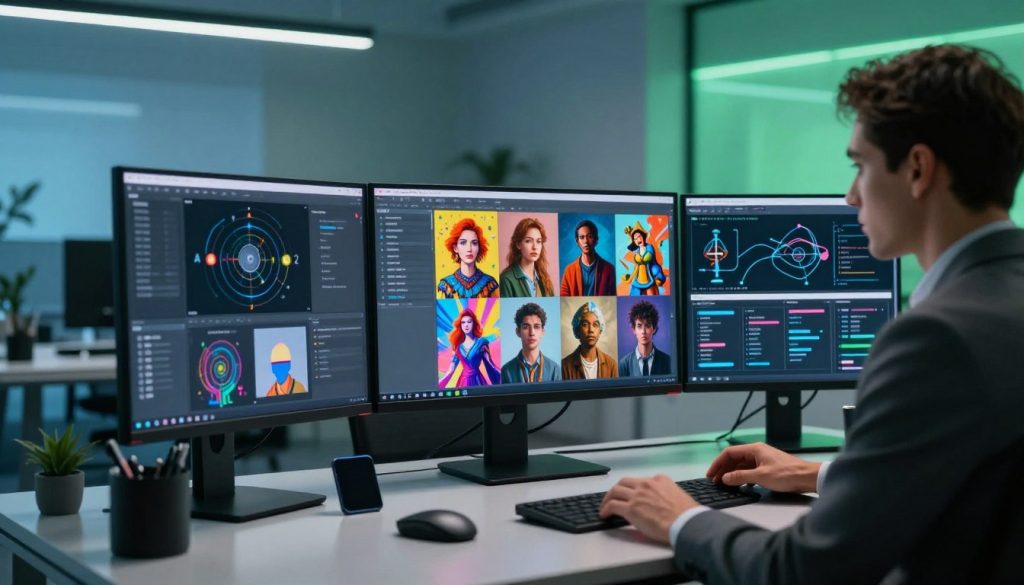
Photo Based Undressing
Photo-based undressing works best with high-quality photos that show pose and proportions clearly.
The models treat clothing as a visual obstruction and predict skin, curves, and lighting to create the output. Better source photos yield cleaner results and fewer artifacts.
Creative Concept Exploration
If you want artistic creation, choose a concept or generator mode that emphasizes stylized images over strict realism.
These modes let you explore image and video generation for concept art, body visualization, or editorial uses. You can steer results by adjusting prompts and editing face or body details.
Body Visualization
Body visualization modes focus on anatomy, pose, and lighting to produce realistic results for medical, fitness, or art-focused use cases.
- Use cases: reference images, model studies, and controlled editing.
- Editing: tools let you refine face and body details for higher-quality images.
- Video options: short videos or sequential frames need more compute but match still-image quality when set correctly.
Why Token Systems Benefit Your Workflow
A token model gives you predictable spend and fast decisions when you juggle multiple video projects. It puts clear control over daily work and reduces surprises in your monthly billing. This helps you focus on results instead of accounting.
The credit-based system ties cost to each generation request. You decide how many tokens a job uses and you only pay for what you run. That transparency makes testing and scaling simpler.
Tokens let you prioritize high-impact tasks and avoid costly background use.
- Efficient workflow: Track token spend per project to optimize time and budget.
- Granular control: Assign credits to short videos, images, or chat sessions so work stays predictable.
- User benefit: Prevent overspending while keeping access to premium generation tools.
Use tokens as part of your daily workflow to measure output and plan long-term. This approach supports steady creative work and clearer decisions about upgrades or higher-tier plans.
Privacy and Data Handling Standards
Strong privacy rules must shape how services handle every uploaded image. You need clear policies so you know what happens to your photo and other content during processing.
Automatic Deletion Protocols
UndressHer automatically deletes images after processing, so no file remains on servers for reuse. This reduces the risk that your photos or nude results are retained beyond the task.
The platform treats each image you upload as transient. Files are removed once processing ends, and the system does not store your content for model training.
Maintaining strict deletion is essential when handling sensitive photos and short image jobs.
- Immediate removal: Your images short are deleted right after generation.
- Secure handling: All uploads are processed with access controls to protect quality and privacy.
- Clear policy: High-quality privacy policies explain how your photos and other content are used and deleted.
You can feel confident using the service because the deletion protocol minimizes exposure of clothes, body details, and any sensitive material during use.
Comparing Performance Across Platforms
Testing across browsers reveals which platforms deliver steady video results and responsive chat tools.
You should try the same tool on both mobile and desktop browsers. UndressHer is fully compatible with mobile and desktop, so you can compare stability in real use.
A reliable service will offer a free trial so you can check video generation speed and chat responsiveness on your device. Use the trial to time uploads, watch render frames, and note any glitches.
Look for an app-like experience that keeps processing quick and predictable. The best platforms let you manage tasks and pricing without switching devices.
Measure processing speed and uptime during your trial to decide which platform fits your workflow.
- Test both mobile and desktop for stability.
- Use the trial to evaluate video quality and chat latency.
- Choose a platform with steady processing and high uptime.
| Factor | What to Test | Why it Matters |
|---|---|---|
| Speed | Time from upload to final frame | Faster processing saves time on many videos |
| Stability | Consistency across sessions and devices | Reduces failed jobs and rework |
| Chat Responsiveness | Latency and helpfulness of feedback | Smoother edits and faster iteration |
| Uptime | Service availability during peak hours | Critical for project deadlines |
Essential Features for Quality Results
To get reliable final images, focus on tools that read lighting, pose, and fabric correctly.
Your choice of models matters. Models that interpret lighting, body proportions, and how clothes fall will give cleaner image generation and fewer artifacts.
Look for a generator that can edit the face and handle complex body shapes. This helps create realistic output for both stills and short video clips.
- Advanced face editing: precise control over facial features and expressions.
- Robust body models: accurate proportions and natural pose handling.
- Consistent video generation: frame-to-frame continuity for smooth results.
- Adjustable output controls: tweak lighting, texture, and clothes rendering.
- Remover and undress options: tools that respect quality and safety while allowing creation edits.
Quality often comes from the underlying models, not just the interface — pick tools that prioritize precision.
When you optimize these features in your workflow, your photos and videos will match the vision you want and produce reliable results.
Navigating Safety and Ethical Use
Before you press generate, know the rules that protect privacy and prevent harm. Ethical use means respecting other people when you create content that could expose them, including adult or deep nude images.
Always confirm consent. Every platform has specific policies about the creation of sensitive material. It is your responsibility to follow those rules and only generate images or videos when you have clear permission.
When you use a chat or video generator, prioritize safety settings and reported-issue channels. These controls help keep face edits and short videos secure for all users.
Responsible use keeps the technology a creative tool rather than a source of harm.
- Respect privacy: Do not create or share nude or deep nude content of others without consent.
- Follow platform rules: Read terms before you upload or generate videos and images.
- Report misuse: Use provider tools to flag harmful creations and protect other users.
| Area | Action | Why it matters |
|---|---|---|
| Consent | Get written or recorded permission | Protects privacy and avoids legal issues |
| Platform Rules | Read terms and follow content limits | Keeps your account in good standing |
| Safety Tools | Use reporting and safety filters | Reduces harm and enforces standards |
Selecting the Right Plan for Your Needs
Match plan limits to real workloads: single-image edits need different quotas than multi-frame video renders.
Assess your main use cases — occasional editing of photos or frequent image generation and short video work. If you only touch a few images, a starter tier will save money.
Try a free trial to test output and quality before you commit. Use the trial to check how the system handles body models, clothes removal, and frame continuity for video.
Consider features like an advanced remover, face and body controls, and chat support. Professionals need larger daily quotas and batch tools to keep workflow smooth.
Pick the plan that fits real projects, not hypothetical needs.
| Need | Recommended | Why |
|---|---|---|
| Casual photo edits | Starter | Low cost, fewer tokens per image |
| High-quality images & short clips | Pro | Better models and higher daily output |
| Frequent video work | Studio | Batch processing and larger quotas |
Finally, review the service terms and pricing to confirm the plan matches your budget and intended use. That ensures the app delivers the results you need without surprises.
Conclusion
Balance matters, and you should weigh performance, privacy, and cost to get the best results for your projects.
Understand how token systems and generation modes affect quality and daily output so you can plan work and avoid surprises. Test with a free trial before committing to larger plans.
Always prioritize ethical use and safety. Get consent, follow platform rules, and report misuse to protect yourself and others.
Whether you explore body visualization or artistic creation, modern tools can deliver strong outcomes when used responsibly. We hope this guide helps you choose the right approach and the right plan for your goals — and that it answers your questions about nude generation and safe workflows.
FAQ
What do the different generation modes do?
The platform offers modes for photo-based undressing, creative concept exploration, and body visualization. Photo-based undressing edits existing images to show clothing changes or reveal body outlines. Creative concept exploration generates new looks and scenes from prompts, useful for moodboards and fashion mockups. Body visualization helps you preview fit and proportions for design and tailoring workflows. Choose the mode that matches whether you’re editing a photo, creating new content, or assessing anatomy and fit.
How are credits or tokens used for image and video creation?
Credits, often called tokens, pay per action: image generation, edits, or short video renders. Each mode consumes a different amount—photo edits typically cost fewer tokens than high-resolution generation or complex video frames. Tokens let you scale usage without committing to per-image fees and give predictable billing for teams and freelancers.
Is there a free trial so you can test quality before buying a plan?
Most services provide a limited free trial or a small token bundle so you can try image generation, editing, and basic video outputs. Use the trial to test lighting, skin tones, and how the models handle faces and clothing. Trials help you assess whether output quality and workflow meet your needs before you upgrade.
What file formats and resolutions are supported for downloads?
You can typically export PNG and JPEG for still images and MP4 for short video clips. Higher-tier plans unlock larger resolutions and lossless formats. Check the plan details for maximum pixel dimensions and frame rates if you need studio-quality deliverables for portfolios or client work.
How does the platform handle faces and identifiable features?
Services use face-aware processing to preserve identity when requested and to blur or anonymize features when needed. You maintain control through settings that enable manual face masking, privacy filters, or automatic anonymization during processing. Review the privacy controls to match your consent and compliance needs.
What privacy and data-retention policies protect my uploads?
Look for platforms that offer end-to-end encryption for uploads, temporary storage, and automatic deletion protocols. Automatic deletion removes source files and generated outputs after a set window unless you opt to keep them. Confirm retention periods, access logs, and whether data is used to train models.
Are there safeguards against generating explicit or non-consensual content?
Responsible services enforce content policies that block explicit, exploitative, or non-consensual requests. Safety systems include content filters, human review for flagged outputs, and usage agreements that prohibit creating nude or sexualized images of real people without consent. If you encounter misuse, report it immediately to support.
How do results compare across desktop, web, and mobile platforms?
Core models deliver similar visual quality across platforms, but processing speed and available features can vary. Desktop and web apps often allow batch processing, higher-res exports, and advanced editing tools. Mobile apps prioritize on-device convenience and faster previews but may limit final resolution and detailed controls.
What controls exist for lighting, pose, and skin tone in generated images?
You can guide outputs using prompts, style presets, and sliders for lighting, pose, and complexion. Advanced editors include pose transfer, relighting tools, and color grading. Experiment with presets and minor prompt adjustments to reach consistent, realistic results for lookbooks or product photos.
How do subscription tiers affect output quality and speed?
Higher tiers usually offer priority processing, access to larger models, more tokens per month, and premium export options. That translates into faster queue times, finer details, and larger image sizes. If you produce client-facing work or high-volume content, an upgraded plan reduces wait times and unlocks studio-grade features.
Can you edit multiple people or complex scenes in one image?
Yes—many tools support multi-subject editing with layer controls and region-based masks. Complex scenes may require manual masking or multiple passes to ensure each person or object is handled correctly. For challenging compositions, combine automated tools with manual touch-ups in an image editor.
What are recommended use cases for each mode?
Use photo-based edits for wardrobe trials, product photography adjustments, and marketing assets. Creative generation serves concepting, lookbooks, and ad visuals. Body visualization fits design validation, tailoring previews, and healthcare simulations. Match the mode to your end goal to optimize tokens and workflow.
How do you manage permissions and consent when working with photos of people?
Always secure written consent for edits or recreations involving identifiable people. Use release forms that specify allowable uses and retention. Platforms may provide consent workflows and audit trails—leverage those features to demonstrate compliance for clients and legal requirements.
What steps improve realism and reduce artifacts in outputs?
Start with high-quality source images, specify lighting and camera details, and use multi-pass editing—generate a base image, then refine features like hair, hands, and fabric. Enable higher sampling or premium model options for final renders and perform minor manual retouching for impeccable results.
Are there limits on commercial use of generated images and videos?
Licensing varies by provider. Many platforms permit commercial use but restrict images that depict public figures or violate content rules. Read the terms to confirm you can use outputs for advertising, e-commerce, or resale, and whether attribution or royalty fees apply.
How can teams share credits and manage billing across projects?
Team plans include centralized billing, shared token pools, and role-based access controls. Admins can allocate credits per project, monitor usage, and set approval workflows. These features simplify budgeting and keep creative teams from overspending.
What should you check when selecting a plan for regular production work?
Evaluate monthly token allowances, priority processing, export resolutions, and commercial licensing. Also check collaboration tools, privacy standards, and API access if you need automation. Choose a plan that balances cost-per-image with the quality and speed your workflow demands.
How do you report problems like quality issues or suspected misuse?
Use the platform’s support channels to submit a ticket with sample outputs, account details, and reproduction steps. For suspected policy violations, include timestamps and user IDs. Fast reporting helps providers address model failures and enforce safety.
Do platforms offer APIs for integrating image and video generation into my workflow?
Many services provide REST APIs and SDKs so you can automate generation, batch edits, and integrate with DAMs or content pipelines. API plans may charge per-request or per-token and include rate limits—review docs for authentication, endpoints, and example calls.