

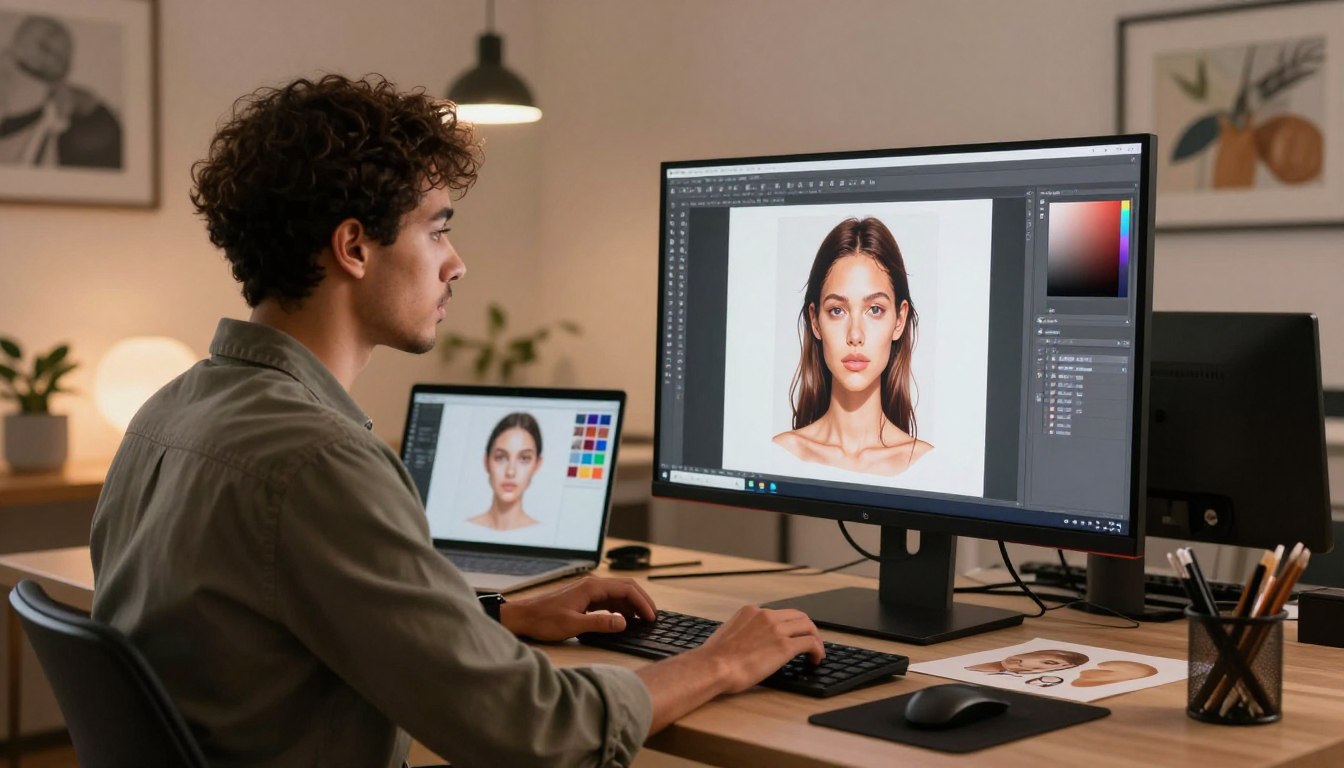
Can a single text prompt turn your idea into a studio-quality photo in seconds?
You can explore ClothOff AI as a creative tool that converts text into high-resolution images fast. The platform uses modern technology to transform simple prompts into detailed art and photo-style content.
Privacy is built in, so your work and personal data stay protected while you craft unique nude art. The image generator processes each request at high speed so you spend less time waiting and more time refining your vision.
Whether you want to experiment with lighting or skin tones, this art generator helps you shape results that match your imagination. In just a few seconds you can produce professional-grade images and iterate with fresh prompts.
Key Takeaways
- You can create high-resolution images from a simple text prompt.
- ClothOff AI focuses on privacy while you generate content.
- The image generator delivers professional photo-style art in seconds.
- Lighting and skin controls let you refine tone and detail quickly.
- This tool is ideal for fast prototyping of visual ideas.
Understanding the Capabilities of a Realistic AI Nude Generator
BasedLabs’ March 9, 2026 update gives you clearer controls over model choice, style presets, and output fidelity. This change improves the way you direct text prompts and unlocks new creative capabilities.
Core Technology
The platform uses advanced diffusion models to preserve detail and texture during generation. These models keep high fidelity so your image and skin rendering stay consistent across edits.
Creative Potential
You can switch between several styles, from lifelike to anime, and adjust parameters to match your artistic vision. Integrated chat features help you iterate fast by turning conversational text into refined prompts.
- Features: model selection, style presets, and layered controls.
- Capabilities: complex scene generation and deep customization.
- Users: artists and hobbyists benefit from faster iteration and more precise results.
“Choosing the right model changes the final look more than any single slider.”
Setting Up Your Workspace for Optimal Results
Organize your Candy.ai workspace so each project stays tidy and easy to manage. The platform’s polished design is recognized in the industry and helps users track art and image assets without friction.
Start by creating folders for different projects. Many people sort nude and photo-style work into separate folders to keep images and video outputs consistent.
Configure your chat preferences and save presets. These small steps speed up iteration and let you reproduce favored looks fast.
Explore advanced features and tools to refine custom settings. Use the gallery manager to tag, rate, and batch-export files so professional sets meet your standards.
Optimize once, benefit every time. A structured workspace reduces errors and delivers cleaner results with less effort.
Mastering Lighting and Skin Texture Techniques
Control over lighting and skin detail transforms a simple prompt into a pro-level image. Start by choosing the right model — Imagen 4 or Seedream 4 — to give you natural skin tones and nuanced light response.
Simulating Studio Lighting
Use built-in studio presets to test hard, soft, and rim lighting quickly. These presets simulate complex light interactions so the technology renders subtle highlights and shadows.
Achieving Natural Skin Tones
Refine prompts with color temperature and gloss controls. Small changes to specular and roughness values make skin look believable and improve overall quality.
Adjusting Camera Angles
Rotate and crop to find the most flattering photo composition. Camera angle is a simple way to change mood and depth without redoing a full generation.
Mastering these tools and consistent practice is the best way to get pro results and develop a unique style that sets your work apart.
Crafting Effective Prompts for High-Quality Imagery
Your prompt is the director: list lighting, camera angle, and style to shape the final image quickly.
Be specific. Name the light source, pose, and skin finish you want. Short, clear phrases help the image generator interpret your aim.
Include mood and movement if you want a video feel. Describing a slow pan or a three-quarter turn can make still images feel dynamic.
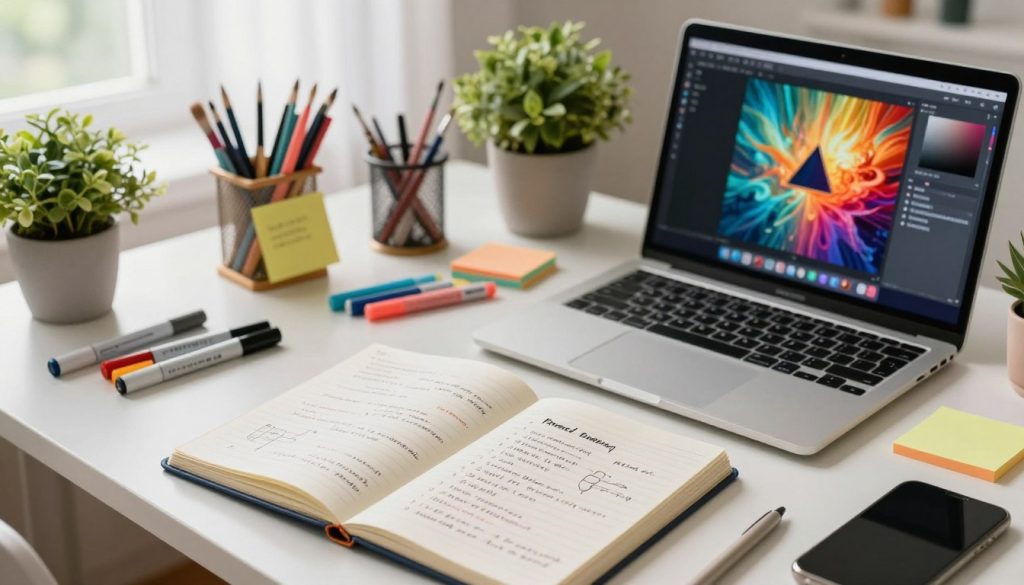
Many users find inspiration in the community gallery. Browse examples, copy useful wording, then tweak it to make original content.
“A small tweak to lighting or camera angle can turn a good image into a great one.”
Iterate with chat feedback. Use short exchanges to refine tone and detail until the result matches your vision.
| Prompt Element | What to include | Why it matters |
|---|---|---|
| Lighting | soft key, rim light, warm 3200K | Controls mood and skin highlights |
| Pose & Camera | three-quarter, eye-level, slight tilt | Defines composition and realism |
| Style & Finish | matte skin, film grain, editorial | Sets the final look and texture |
Use the right keywords in your prompt. That is the most reliable way to get the exact images you want from an art generator in seconds.
Refining Your Visuals with Advanced Editing Tools
The best results come when you combine targeted masks with careful sampler tuning. Hunyuan Image 3.0 brings editing capabilities that let you refine specific areas of an image without redoing the whole render.
Using Masks and Sampler Settings
Apply a mask to isolate skin, background, or props. That lets you fix small flaws and preserve the parts you like.
Adjust sampler settings to improve texture and lighting. Tweaks to sampler steps or noise levels can raise photo quality in seconds.
Layered edits give you control over combined changes. Use separate layers for color, detail, and final tone so you can revert quickly.
- Refine prompts: small text edits plus masks fix common defects.
- Experiment: advanced users test sampler values to alter texture and mood.
- Consistent style: these tools help match look and feel across images and art sets.
With these features and the right model, your generation workflow becomes faster and more precise.
Ensuring Privacy and Ethical Usage
Protecting your data and respecting consent are the first steps when working with sensitive visuals.
Privacy is a top priority for reputable platforms. You should be able to control who sees your images and content at every stage.
Follow local laws and platform rules when you create or share nude material. Responsible use protects you and others.
“A safe platform pairs strong settings with clear rules so creativity does not compromise privacy.”
- Use built-in moderation features to reduce misuse of sensitive imagery.
- Set access controls so only approved users can view your work.
- Keep chat logs private and limit sharing to trusted collaborators.
| Feature | What it does | User action |
|---|---|---|
| Privacy Settings | Restrict who can view or download images | Set project to private or invite-only |
| Moderation Tools | Detects policy violations automatically | Report or quarantine flagged content |
| Consent Controls | Records approvals for shared subjects | Save signed consent and timestamps |
Choose a secure tool and use its controls. That way you can explore creative technology with confidence while following ethical standards.
Exploring the Evolution of AI-Generated Artistry
The art landscape has shifted as new models and tools let creators move from still images to flowing image video experiences.
Today you can try many styles on a single platform. This change makes it easier for users to experiment and learn fast.
Tools and models now support layered workflows, chat-driven tweaks, and batch generation. That helps you refine a vision without steep technical hurdles.
History matters: studying how the industry evolved explains why modern tools behave the way they do. It also shows which trends shape future creation.
“The move from static images to short, editable clips is changing how creators tell visual stories.”
- More users can produce quality art with simple prompts and presets.
- Platforms combine editing, chat, and model choices for smoother generation.
- Future updates will expand interactivity and cross-platform workflows.
| Trend | What it enables | Why it matters |
|---|---|---|
| Model variety | Different styles and fidelity options | Match your vision across projects |
| Chat workflows | Rapid iteration and guided prompts | Speeds learning and creative control |
| Video-capable tools | Short movement and image video outputs | Adds motion and narrative depth |
Stay informed about platform updates and new models so you can use the best tools for your work. That way, your creativity keeps pace with industry change.
Conclusion
Master these steps, and you will see steadier results from each session.
Wrap up your workflow by focusing on clear goals and repeatable steps that yield consistent image quality. Practice prompt craft, lighting choices, and quick edits to improve over time.
Use advanced tools and layered edits to make images that match your vision. Treat every pass as a chance to refine color, texture, and mood.
Always respect privacy and consent. Keep projects secure and follow platform rules so your work stays safe and ethical.
As the field evolves, keep experimenting. Balance technical skill with imagination to turn ideas into lasting art and useful content.
FAQ
What is ClothOff AI and what can it do for your images?
ClothOff AI is a platform that helps you create highly detailed, stylized image content using text prompts and photo inputs. You can use its models to control lighting, skin texture, and composition, then refine results with built-in editing tools like masks and sampler settings. The platform focuses on speed, customization, and gallery-style output so you can produce polished visuals in seconds.
What core technology powers ClothOff AI?
The tool uses advanced machine learning models and image synthesis techniques to interpret your text prompts and reference photos. These models combine generative and image-to-image methods to simulate studio-style lighting and realistic skin detail while giving you control over style, camera angle, and resolution.
How can you prepare your workspace for the best results?
Start with a clean, neutral background and consistent reference images. Use high-resolution source photos and ensure your monitor is color-calibrated. Good organization of prompts, reference folders, and presets will speed up iterative testing and help you reproduce quality results quickly.
Which lighting techniques reproduce studio-style results?
Simulate three-point lighting with a key light, fill light, and rim light to shape form and add depth. You can prompt the model for softbox diffusion, hard directional light, or backlighting to emphasize contours. Small changes to intensity and angle in your prompt often yield noticeable differences in highlights and shadows.
How do you achieve natural-looking skin tones and texture?
Use prompts that mention skin undertone, pore detail, and subtle specular highlights. Choose sampling and denoising settings that preserve fine detail rather than over-smoothing. Apply local edits with masks to retain texture while smoothing only problem areas like blemishes or compression artifacts.
What camera angles and framing work best for portrait-style images?
Common choices are eye-level, three-quarter, and high-angle for varied moods. Close-ups emphasize texture and facial features; wider shots show posture and lighting. Specify focal length, perspective, and subject placement in your prompt to control distortion and depth of field.
How should you craft prompts for consistent, high-quality imagery?
Start with a clear subject description, then add lighting, mood, camera specs, and style references. Include desired skin tone, texture level, and output resolution. Keep prompts concise and test variations; store successful combinations as presets for repeatable quality.
What editing tools help refine generated images further?
Use masks to isolate areas for retouching, adjust sampler and denoising settings to control detail, and apply local color grading for consistent tones. Layers and selective brushes let you fine-tune highlights, shadows, and texture while preserving the rest of the image.
How do masks and sampler settings affect final results?
Masks let you target edits to specific parts of the image without altering surrounding areas. Sampler and denoising choices determine how much the model alters pixels: lower denoising preserves source detail, while higher settings allow for more dramatic changes. Balance these to keep natural texture while improving problem areas.
What privacy measures should you take when creating sensitive images?
Use local editing or trusted platforms with clear data policies, avoid uploading identifiable personal photos unless you control consent, and delete temporary files after finishing projects. Check platform privacy statements and enable account-level protections like two-factor authentication.
What ethical considerations apply when using image synthesis tools?
Always obtain consent from real people featured in source photos and avoid creating content that violates laws or platform rules. Respect copyright when using reference material and avoid producing content that harms or exploits others. Transparency about synthetic content helps maintain trust.
How has image synthesis technology evolved and what should you expect next?
Models have rapidly improved in realism, speed, and control. Expect better handling of fine detail, faster iteration cycles, and tighter integration with editing suites. Advances in video-capable models and multimodal tools will expand creative workflows and improve consistency across frames.