

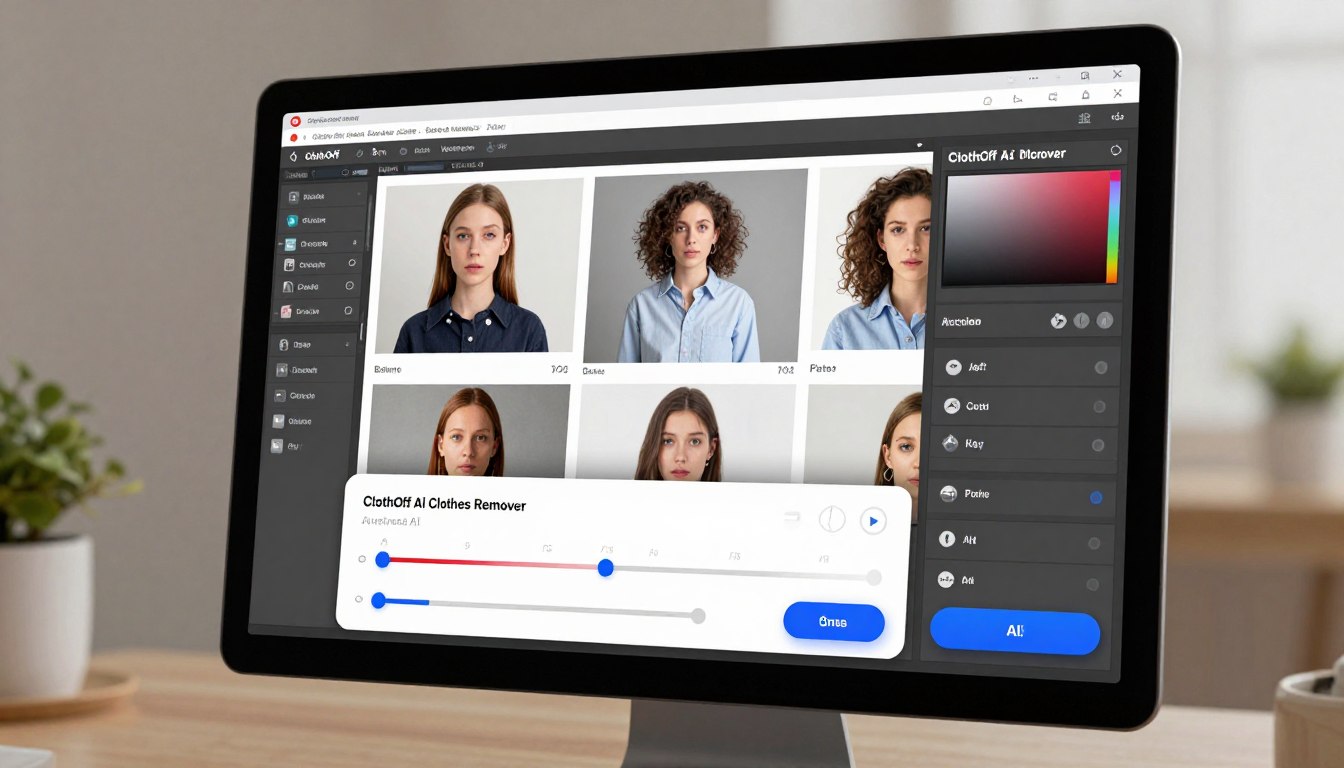
Have you ever wondered how a single image can change from ordinary to startlingly realistic with just a few clicks?
You’ll learn how this cutting-edge technology analyzes a photo, identifies clothing, and produces high-quality results in seconds. The platform offers an easy-to-use tool that anyone can try, even without design experience.
Before you start, remember consent matters. You must have permission from the people in your photos to avoid legal and ethical risks. Privacy and data security are treated as top priorities during processing.
This guide explains how the cloth remover works, what to expect from results, and how to use the platform responsibly. You’ll also see how image processing tools can support creative content and professional workflows.
Key Takeaways
- The platform can transform a photo quickly with advanced image processing tools.
- Quality results are possible without prior software skills.
- Always obtain clear consent from people in your images.
- Privacy protections are built into the platform’s processing.
- Use the tool responsibly for creative or professional content.
Understanding the Clothoff AI Clothes Remover Technology
This section breaks down how the neural models detect and alter garments inside an image.
How the system works: A trained neural network analyzes pixel patterns and labels regions that match fabric, seams, and texture. The model uses massive datasets and machine learning to separate clothing from skin and background.
The platform segments the image into zones for precise processing. After segmentation, inpainting and synthesis methods recreate natural-looking skin or underlying surfaces. This staging helps produce high-quality results across photos, anime, and 3D art.
How the Algorithms Work
Algorithms combine pattern recognition and deep learning to spot clothing edges. They learn to distinguish garments from props or hair during training.
Segmentation speeds up removal and reduces artifacts. The tool then blends textures to create a consistent result that looks realistic to users.
Potential Creative Applications
- Fashion mockups and concept design.
- Artistic experimentation and character edits.
- Rapid prototyping for photo retouching.
“A versatile neural pipeline lets creators explore new visuals while keeping processing efficient.”
Note: Use this technology responsibly. Always get consent before generating nude or edited images for any purposes.
Getting Started with the Platform
Access is simple: open the website, launch the iOS or Android app, or message the Telegram bot to begin.
Upload image files directly from your device and watch the platform work its magic in seconds.
The interface is built for everyone. You don’t need prior experience to remove clothing from a photo. The tool guides you step by step and keeps the process intuitive.

Privacy matters. All data and prompt records are never stored or leaked. Your content stays private while processing runs on secure systems.
- Beginner-friendly controls for fast edits.
- Advanced tools when you need more precision.
- Consistent results across different photos and cloth types.
“Upload your chosen image and transform it quickly—safe, private, and reliable.”
Advanced Features and Customization Options
Discover how you can tweak body proportions and switch poses with just a few clicks.
Adjusting Body Shapes
You can customize body shape easily using slider controls and presets. Advanced machine learning algorithms let you adjust proportions while keeping skin texture and lighting natural.
This lets you create realistic, anime, or 3D art styles with consistent quality. Small edits take seconds and preserve the original image’s details.
Changing Poses
The platform includes 18+ poses so you can change stance without complex editing. Choose a pose, apply it, and refine with simple tools to match your creative vision.
Pose swaps work well for both single photos and multi-image projects, keeping results believable and usable for concept art or retouching.
Processing Multiple Images
You can upload image batches from phones, links, or Instagram and process many photos at once. Bulk processing keeps the same high quality and speeds up your workflow.
Using clothes removal features across multiple files helps you test styles, compare results, and finalize edits faster.
- Fast processing that maintains image quality.
- Versatile tools for realistic, anime, or 3D outputs.
- Simple workflow for beginners and pros.
“The platform blends powerful processing with user-friendly customization to speed creative work.”
Ensuring Privacy and Data Security
Privacy and security are built into every step of how we process images.
Your uploads stay anonymous. We do not save any photo or image in our system after processing. That means your data and content remain private and unreachable once the task is complete.
System protections guard against unauthorized access. Encryption and restricted access controls keep your photos safe while they are being processed on the platform.

Anonymity and System Protection
Consent matters. You should only edit images when you have clear permission from the people involved. This respects privacy and keeps your use ethical.
We provide simple tools to manage and delete content. Use these controls to confirm that no files linger and that your projects meet your privacy standards.
- Anonymous processing: no stored images.
- Secure pipeline: strong encryption and access rules.
- Consent-first: edit only with permission.
“We keep your photos and personal data protected at every step.”
Ethical Guidelines and Social Responsibility
Ethical practice requires consent, transparency, and safeguards before you process any image.
Always get clear consent. Only edit a photo when the person shown has agreed. Generating nude content without permission is unethical and can produce serious legal consequences.
Think about the social impact of your work. Using clothes removal tools can harm reputations and invade privacy when misused. You are responsible for how content is shared and for protecting personal data.
We build protections to reduce malicious use and non-consensual edits. Follow platform guidelines and keep records of consent to justify your purposes.
“Use these tools to enhance creativity, never to harass or humiliate others.”
- Transparency: explain how images were edited.
- Security: safeguard all data and deleted files promptly.
- Responsibility: prioritize privacy and consent in every project.
When you follow these rules, technology can help creative work without causing harm.
Conclusion
This guide helps you use a powerful, user-friendly tool to transform an image quickly while keeping privacy and consent first.
The platform delivers high-quality results in seconds by combining modern technology and efficient processing. You can edit images with clear controls and practical features that suit both beginners and experienced users.
Always secure consent before creating any nude edits. Responsible use protects people and helps the community trust the platform.
Explore the platform to see the full range of tools and the cloth remover options available. If you value privacy, quality, and straightforward learning, this service offers a reliable path to great results.
FAQ
What is ClothOff AI Clothes Remover and who should use it?
ClothOff AI Clothes Remover is a photo-processing platform that uses machine learning to alter garment appearance in images. You should use it only for lawful, consensual, and creative projects such as costume design mockups, special effects for marketing, or practicing retouching skills on images you own or have permission to edit.
How do the underlying algorithms work?
The system applies neural networks trained on large image datasets to identify garment boundaries, texture, and body landmarks, then generates realistic pixels to replace or modify clothing. It relies on segmentation models, generative networks, and post-processing filters to preserve lighting and resolution so your output looks natural.
Can I upload any photo and expect high-quality results?
Results vary with image quality. Clear, well-lit photos with unobstructed views of the subject yield the best output. Low-resolution, heavily compressed, or motion-blurred images may produce artifacts or less convincing edits. The platform often offers tips for improving uploads.
What customization options are available?
You can adjust parameters like texture smoothing, skin tone consistency, and background preservation. Advanced controls let you refine body contours, alter poses, and batch process multiple images. These tools help tailor the output for editorial use, visual effects, or product previews.
Does the tool let you change body shapes or poses?
Yes, there are features to subtly modify body proportions and to adjust pose landmarks. Use these responsibly: extreme changes can produce unrealistic results and may harm people’s privacy or dignity. The platform typically warns against manipulations that could be abusive or misleading.
How does batch or multiple image processing work?
You can queue several photos for sequential processing. The system applies chosen presets or custom settings across the batch to maintain consistency. Processing time depends on image count, resolution, and chosen quality level.
What privacy protections are in place for uploaded images?
Reputable services use encrypted transport (HTTPS), encrypted storage, and limited retention policies. Anonymization features remove metadata and restrict access so only you or authorized accounts can view originals. Review the platform’s privacy policy and data deletion options before uploading sensitive material.
Will my photos be used to train future models?
Many platforms ask for permission to use uploaded images for model improvement. You should check the consent settings and opt out if you do not want your material included. If model training is allowed, providers typically aggregate and anonymize data to protect identities.
What are the ethical guidelines I should follow?
Always obtain explicit consent from subjects before editing intimate images. Do not create or distribute non-consensual nudity, exploitative content, or material that could defame or harass someone. Follow platform rules, local laws, and industry ethics to avoid harm.
Are there legal restrictions on using this technology?
Laws vary by jurisdiction. Many places prohibit creating or sharing sexually explicit images without consent. Commercial use may require model releases. Consult legal counsel for projects with commercial, journalistic, or potentially sensitive implications.
How fast are results and what affects processing time?
Typical edits complete in seconds to a few minutes per image, depending on server load, image resolution, and complexity of edits. Choosing higher-quality outputs or advanced customization increases processing time.
How should I handle consent and releases for subjects in my photos?
Get signed, clear consent that describes intended edits and distribution channels. Keep release records for legal protection. For commercial use, obtain model releases that specify usage rights, territories, and duration.
What safety measures exist to prevent misuse?
Responsible platforms implement content filters, mandatory age verification, abuse reporting, and manual review for flagged uploads. They also provide community guidelines, rate limits, and account verification to deter malicious use.
Can I revert edits or delete my data from the platform?
Most services offer undo options, version history, and account-level deletion controls. You should confirm the provider’s data retention and deletion policies and request removal of originals and generated files when needed.
Which industries commonly use this technology ethically?
Fashion brands, visual effects houses, advertising agencies, and product photographers use these tools for design previews, editorial retouching, and creative effects. When used with consent, it speeds workflows and enhances visual storytelling.
How do I evaluate a provider before signing up?
Check security practices, privacy policies, model training consent, customer reviews, and available controls for customization and moderation. Look for transparent terms, responsive support, and a clear ethics statement.